
Chemical Plants
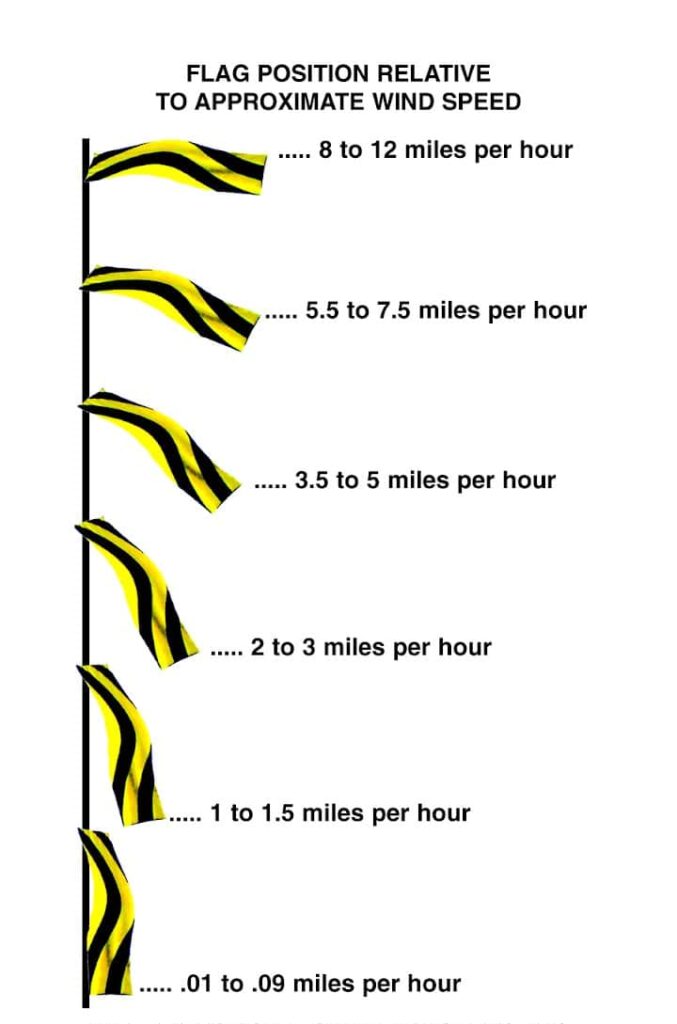
Wind Tracker™ Windsocks for accurate wind detection and monitoring.


Real-Time Wind Direction and Speed Awareness
Chemical plants handle a wide range of gases, liquids, powders, and other substances that may present fire, explosion, toxicity, or inhalation hazards. Wind Tracker™ Windsocks provide an immediate, highly visible indication of wind direction and relative wind speed, allowing employees, operators, safety personnel, and emergency responders to quickly assess local atmospheric conditions. This real-time awareness is especially important in large industrial facilities where wind conditions may vary across different areas of the site.
Hazardous Gas and Vapor Dispersion Awareness
In the event of a chemical leak, vapor release, or process upset, wind direction is one of the primary factors influencing where airborne contaminants may travel. Wind Tracker™ Windsocks provide a rapid visual reference for identifying the potential downwind path of a release. This information helps personnel recognize affected areas, avoid unnecessary exposure, and support decisions regarding isolation, sheltering, evacuation, and emergency response.
Emergency Response and Evacuation Planning
Chemical plants require detailed emergency response procedures for incidents involving toxic releases, fires, explosions, and other process emergencies. Wind Tracker™ Windsocks support these plans by helping personnel quickly identify upwind and downwind areas. This can assist emergency coordinators in selecting safer evacuation routes, establishing staging areas, positioning response teams, and directing personnel away from potentially contaminated air.
Fire, Explosion, and Smoke Management
Wind conditions can significantly influence the movement of smoke, heat, flammable vapors, and combustion products during a fire or explosion. Wind Tracker™ Windsocks give fire brigades and emergency responders immediate visual awareness of these conditions, helping them select safer approach routes and position equipment appropriately. Understanding wind movement can also help predict which areas of a facility may be affected by smoke or airborne hazards.
Support for Hazardous Material Response Teams
Industrial emergency response and HazMat teams rely on wind information when establishing operational zones around a hazardous release. Wind Tracker™ Windsocks provide a simple, common visual reference that can be observed by all personnel on site. This is particularly valuable during fast-moving incidents when electronic weather information may not reflect conditions at the exact location of the release.
Support for Routine Chemical Handling Operations
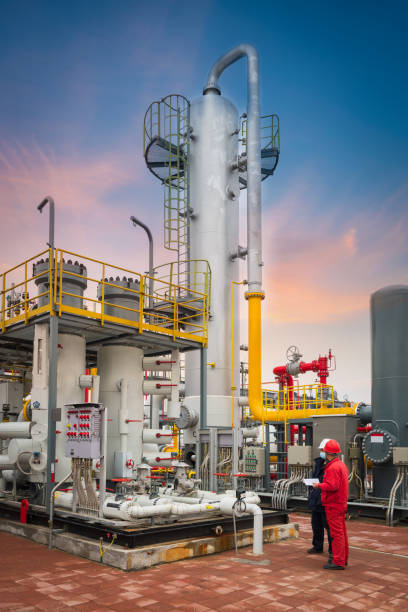
Wind awareness can also benefit routine activities such as chemical loading and unloading, tank venting, maintenance, cleaning, and work involving volatile substances. Knowing the local wind direction helps supervisors and workers plan activities to reduce the potential for exposure to fumes, dust, or vapors and to maintain appropriate work-zone controls.
Reliable Operation During Power or Equipment Failures
Chemical plants may experience power disruptions or equipment failures during severe weather or emergency events. Unlike electronic weather instruments, Wind Tracker™ windsocks operate without electricity, communications systems, or complex calibration. Their passive design provides continuous visual wind indication when other systems may be unavailable.
Facility-Wide Visibility and Situational Awareness
Chemical plants can cover large areas with multiple process units, storage tanks, loading racks, and utility systems. Strategically placed Wind Tracker™ windsocks provide visible wind information at key operational and emergency response locations. This allows personnel throughout the facility to quickly assess local wind conditions without needing to access a centralized monitoring system.
Wind Tracker™ Windsocks are an important safety and emergency-preparedness tool at chemical plants. They provide immediate visual awareness of local wind conditions, support hazardous gas and vapor response, assist with evacuation and emergency planning, and help firefighters, HazMat teams, and plant personnel make faster, more informed decisions. Their simplicity, reliability, and ability to operate without power make windsocks a valuable component of chemical plant safety and emergency response infrastructure.