
Military Airfields
Wind Tracker™ Windsocks for accurate wind detection and monitoring.

Real-Time Wind Direction and Speed Awareness
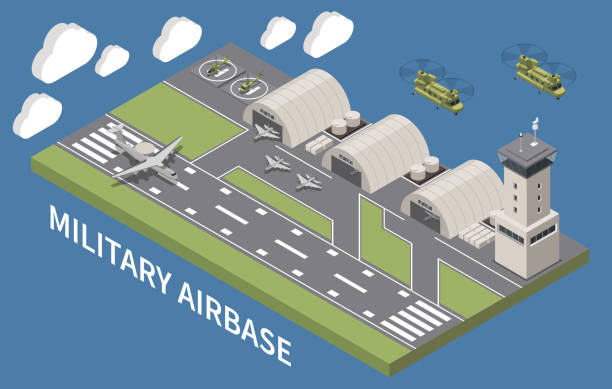
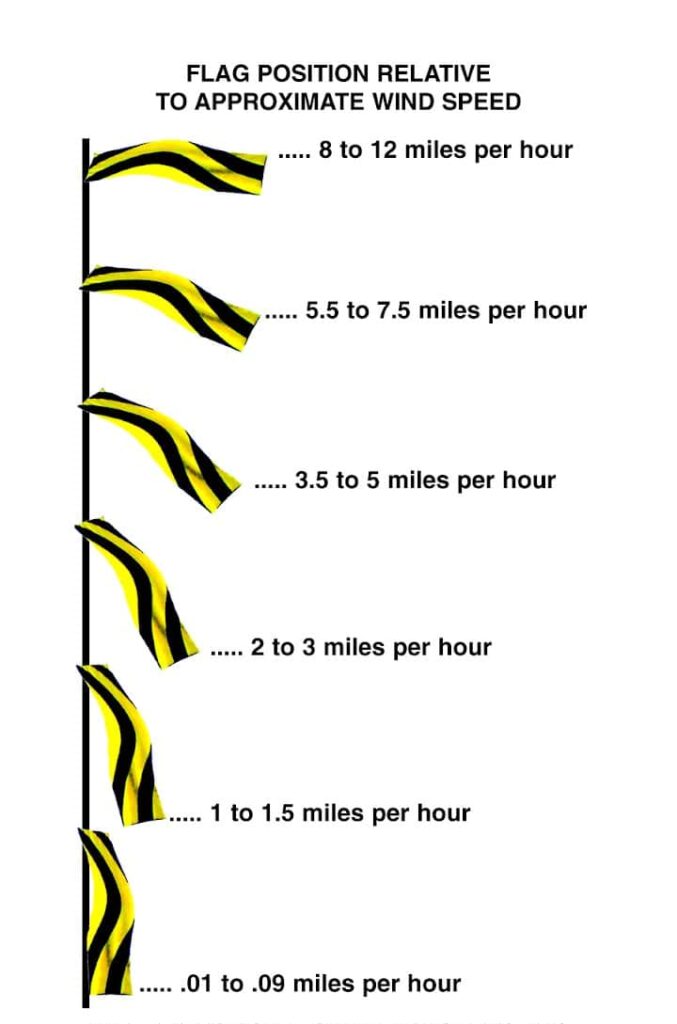
Military airfields operate in demanding environments where accurate wind information is essential for safe and efficient flight operations. Wind Tracker™ Windsocks provide immediate, highly visible indication of wind direction and relative wind speed, allowing pilots, air traffic personnel, and ground crews to quickly assess local wind conditions. Their continuous visual indication is especially valuable during rapidly changing weather conditions and supports safe decision-making during all phases of flight.
Support for Aircraft Takeoff and Landing Operations
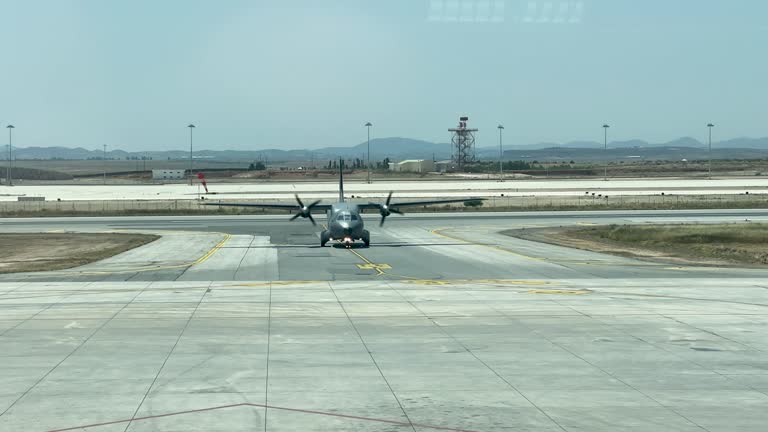
Wind conditions have a direct impact on aircraft performance during takeoff, landing, and taxiing. Military aircraft, including fighter jets, cargo aircraft, helicopters, and unmanned aerial systems (UAS), rely on accurate wind awareness to determine runway selection, approach angles, and crosswind limitations. Wind Tracker™ Windsocks provide pilots with immediate visual confirmation of surface wind conditions, supplementing airfield weather systems and enhancing flight safety.
Helicopter and Vertical Lift Operations
Military airfields frequently support helicopter operations for troop transport, medical evacuation, search and rescue, and tactical missions. Wind Tracker™ Windsocks positioned near helipads and landing zones assist pilots in evaluating wind direction during hover, approach, and departure. Accurate wind information improves aircraft stability, reduces rotor wash hazards, and enhances the safety of personnel operating near the aircraft.
Support for Parachute and Airborne Training
Many military installations conduct airborne operations involving parachute training, cargo airdrops, and special operations exercises. Wind Tracker™ Windsocks provide jumpmasters and flight crews with critical surface wind information that helps determine suitable drop conditions and landing zone safety. Real-time wind awareness reduces drift, improves landing accuracy, and enhances the safety of airborne personnel.
Ground Operations and Aircraft Maintenance Safety
Military flight lines involve fueling, weapons loading, aircraft maintenance, and movement of ground support equipment. Wind Tracker™ Windsocks help crews monitor wind conditions that may affect fueling operations, aircraft towing, or maintenance procedures involving hazardous materials or chemical vapors. This improves worker safety and helps maintain efficient flight line operations.
Emergency Response and Fire Protection
Military airfields maintain dedicated emergency response and aircraft rescue firefighting (ARFF) teams that respond to aircraft incidents, fuel spills, and fires. Wind Tracker™ Windsocks provide critical information for determining smoke movement, hazardous vapor dispersion, and safe approach routes during emergencies. This allows responders to establish upwind staging areas and implement effective firefighting and rescue strategies.
Support for Training and Tactical Readiness
Military aviation training requires pilots and ground personnel to operate under realistic environmental conditions. Wind Tracker™ Windsocks provide continuous visual wind information that supports flight instruction, tactical exercises, and mission planning. Their presence helps aircrews develop situational awareness and reinforces the importance of evaluating surface wind conditions before and during flight operations.
Reliable Performance in All Operating Conditions
Military airfields must remain operational around the clock and under a wide range of weather conditions. Wind Tracker™ Windsocks require no electrical power, electronic systems, or complex maintenance, making them a highly reliable source of wind information. Their durable construction ensures continuous performance in harsh environments, including extreme temperatures, high winds, heavy precipitation, and remote operating locations.
Wind Tracker™ Windsocks are a critical safety and operational tool at military airfields. They provide real-time wind awareness that supports aircraft takeoffs and landings, helicopter operations, airborne training, ground support activities, emergency response, and overall mission readiness. Their simplicity, reliability, and high visibility make windsocks an indispensable component of military aviation safety and airfield operations.